
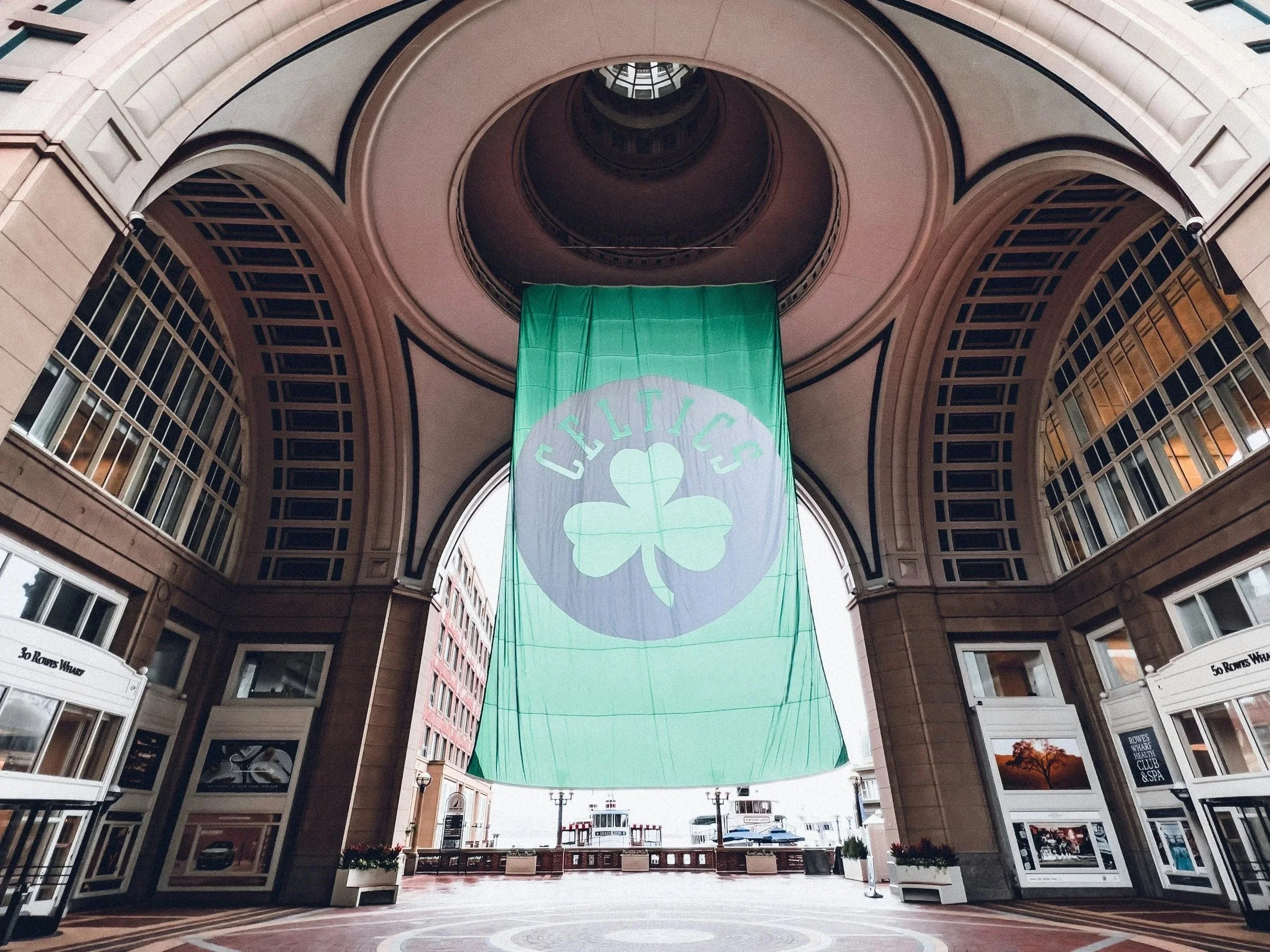
Boston’s identity is closely connected to its sports teams, and the Celtics are part of the city’s everyday vocabulary. Basketball comes up in morning coffee lines, over dinner, and between colleagues the day after a game. When the team is playing at TD Garden, that connection becomes visible on the streets around North Station.
For anyone getting to know Boston, Celtics season offers a useful introduction to the city’s culture. It brings together neighborhood businesses, longstanding traditions, and the experience of living in a city where major sporting events happen close to residential neighborhoods.
TD Garden’s Place in Boston
Located above North Station, TD Garden connects Celtics basketball with the daily movement of the city. Commuters, residents, and visitors share the surrounding streets, with home games adding another layer of activity to the West End and nearby North End.
The Celtics’ return for the 2026–27 season puts those game nights back on Boston’s calendar. For local restaurants and gathering places, the hours before and after tipoff become part of the neighborhood’s routine.
That relationship between a major venue and its surrounding neighborhoods is central to the experience of downtown Boston. The Garden sits within an established urban setting, where an evening of basketball can also include dinner, time exploring the city, and a trip home on public transit.
Why the Celtics Are Part of Boston Culture
In Boston, following a team often becomes a tradition passed between generations. Celtics games can be a standing family plan, a reason to reconnect with friends, or simply something people have watched together for years.
The attachment extends beyond any individual season. The team’s history, the recognizable parquet court, and the banners overhead give each game a connection to what came before it. Even for residents who follow basketball casually, the Celtics remain a familiar reference point.
That continuity helps explain the place sports hold in Boston culture. People move into the city, discover its neighborhoods, and establish their own routines alongside traditions that were here long before them.
Game Night in the North End and West End
A Celtics home game offers a reason to spend time in two distinct Boston neighborhoods.
In the North End, dinner along Hanover or Salem Street can become the first part of the evening before heading to TD Garden. The neighborhood’s restaurants, cafés, and compact streets make it easy to spend time there before joining the game-night crowd.
Closer to the arena, the West End and Causeway Street have a different pace. The activity is concentrated around arrivals, restaurant tables, and people meeting before tipoff. For residents, that energy is part of the local setting and something worth experiencing when considering a home nearby.
Exploring these areas on both game nights and quieter evenings gives a more complete sense of what living near TD Garden involves.
What Basketball Season Reveals About Living in Boston
Boston’s neighborhoods are often described through their architecture, restaurants, and real estate. Their schedules matter, too.
A neighborhood changes throughout the day and week. A street that feels quiet during a weekday showing may be much busier before a Celtics game. A restaurant that becomes a regular dinner spot may also be a gathering place for fans. Access to North Station may influence how someone travels to work, meets friends, or spends an evening out.
For buyers exploring Boston real estate, those details deserve attention alongside square footage and finishes. Visiting at different times helps clarify how a location fits the way you want to live.
A Local Perspective on Boston Real Estate
Celtics season is one expression of Boston’s broader character: a city with strong local loyalties, established institutions, and neighborhoods that remain closely connected to public life.
Understanding that character adds context to a home search. Living in the West End, North End, Beacon Hill, or elsewhere in Boston means choosing both a property and the daily surroundings that come with it.
Rodney Scott helps buyers and sellers navigate Boston real estate with attention to both. Whether you are looking for convenient access to downtown events or a quieter residential setting, a conversation about your routines is a useful place to begin.