
Brownstone or Full-Service Building? Finding Your Fit in Boston
A home in a historic brownstone and a residence in a full-service building can offer two very different versions of Boston living.
One may draw you in with tall windows, original millwork, and a distinctive setting on a tree-lined street. The other may appeal through elevator access, concierge services, contemporary interiors, and shared amenities. Both can be exceptional choices. The question is which home best supports your daily life.
When working with buyers, I look beyond the initial impression to help them understand the practical details of each property.

Elegant Brownstone in Boston’s Back Bay
The Appeal of a Historic Brownstone
For buyers who appreciate architecture and individuality, a brownstone residence can be especially compelling. Depending on the property, you may find generous ceiling heights, fireplaces, bay windows, decorative moldings, or a layout shaped by the building’s history.
These homes often have a strong connection to the streets around them. A front stoop, a familiar row of façades, or a short distance to a neighborhood café can become part of the experience of coming home.
The details vary considerably, however. Some buildings have elevators, while others require several flights of stairs. Outdoor space may be private, shared, or absent, and parking arrangements deserve careful review.
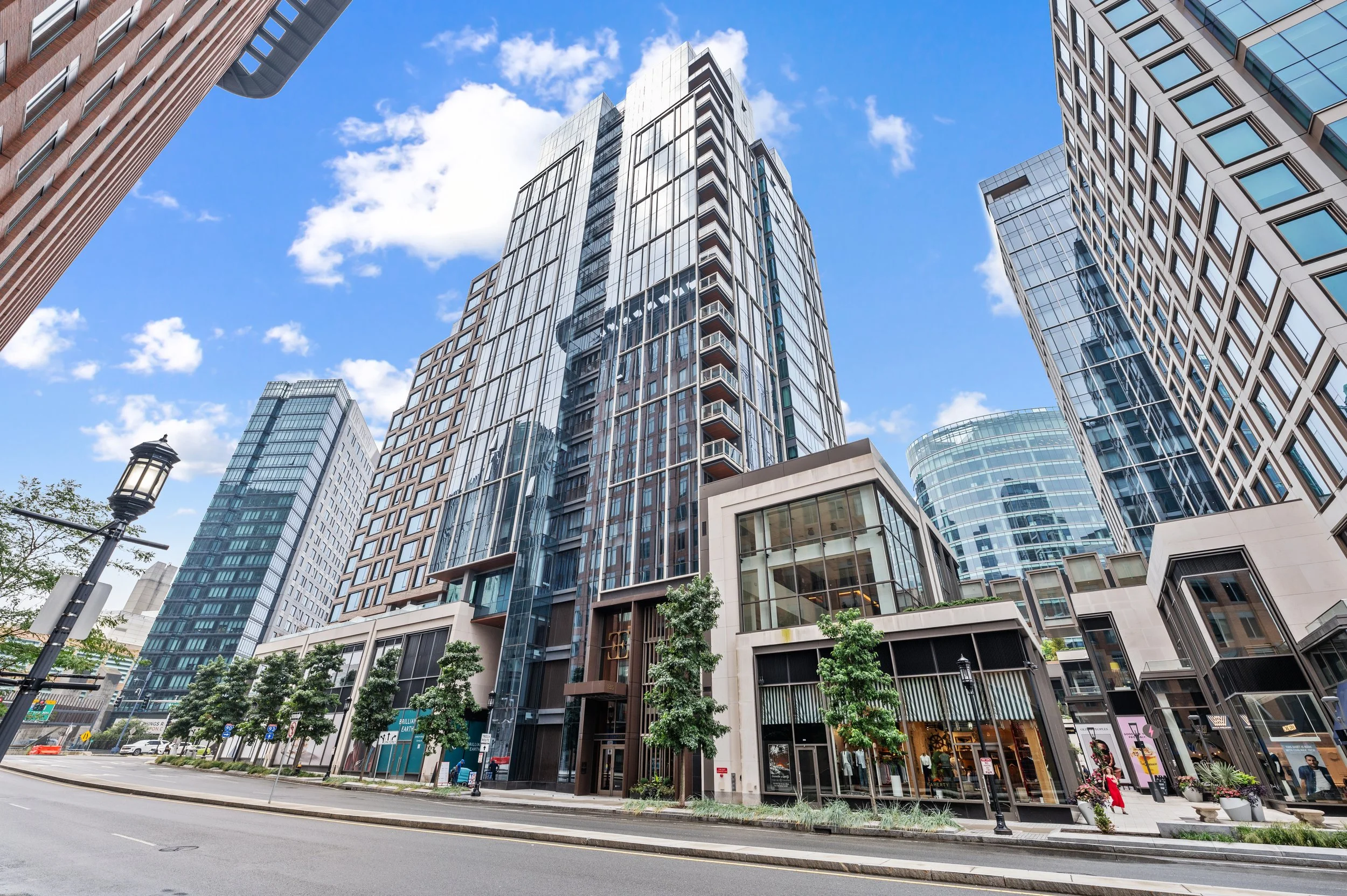
Full Service Building in Boston Seaport
The Appeal of a Full-Service Building
A full-service residence may suit buyers who value convenience and access to building services. Depending on the property, offerings can include a concierge, package handling, fitness facilities, resident lounges, and on-site management.
For someone who travels frequently, having staff available to receive deliveries and respond to building concerns may be particularly appealing. Other buyers prioritize elevator access, modern layouts, or amenities they would use regularly.
It is important to confirm what each building actually provides. Staffing hours, parking, guest policies, amenity access, and additional charges can differ from one property to another.
Look Closely at the Monthly Costs
The purchase price is only one part of the decision. Condo fees, parking expenses, utilities, and potential assessments all contribute to the cost of ownership.
Rather than judging a property by its condo fee alone, consider what that fee covers. A higher monthly payment may include services or utilities you would otherwise pay for separately. A lower fee deserves an equally thoughtful review of the association’s budget, reserves, and upcoming maintenance needs.
For either type of building, reviewing the association’s financial information and available meeting records helps provide a clearer picture.
Consider How You Actually Live
Before choosing between the two, picture an ordinary week.
How do you bring groceries into the home? Where do deliveries arrive? How often do you drive? Would you use a shared gym or lounge? How important are privacy, outdoor space, and step-free access?
Pay attention to the individual unit as well. Natural light, storage, room proportions, sound, and the location of the home within the building can matter just as much as the building’s overall style.
Choosing the Right Boston Home
There is no single answer that works for every buyer. A beautifully renovated brownstone may offer the character and neighborhood connection you want. A full-service residence may provide the convenience that makes your schedule easier. You may find that your priorities change once you begin touring.
My role is to help you evaluate those choices with a clear understanding of the property, the building, and the surrounding neighborhood. With nearly two decades of experience across Greater Boston, I provide thoughtful guidance tailored to how you want to live.
If you are considering a historic residence or a full-service building, I would welcome the opportunity to help you find the right fit.